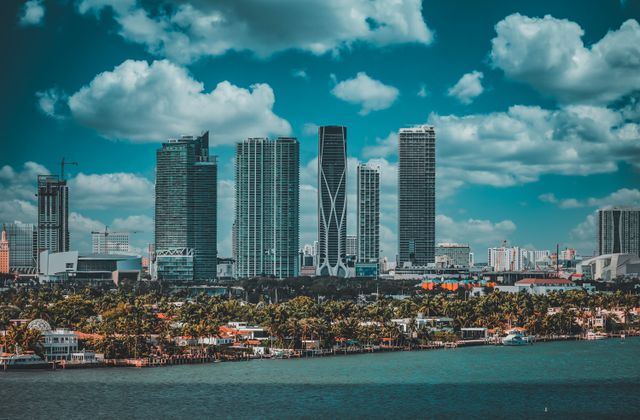
Miami is the sort of place where a trip can take many shapes. One morning might start beside the ocean, lunch could be in Little Havana, and the evening might end among the restaurants and towers of Brickell.
For travelers with mobility challenges, enjoying that variety often comes down to planning. Miami covers a large area, the weather can affect how comfortable it is to spend time outside, and transportation choices matter when a wheelchair or extra boarding assistance is involved.
A few decisions made before arrival can make the vacation much easier.
Choose the Right Area to Stay
Where you stay can have just as much effect on your trip as the hotel itself. A convenient location means fewer long rides and less time spent moving between different parts of Miami.
Miami Beach works well for travelers who want the ocean, restaurants, and classic Miami scenery close by. Staying near places you intend to visit can cut down on transportation throughout the day.
Downtown Miami and Brickell suit travelers interested in museums, shopping, dining, and city attractions. They also put visitors near several public transportation options.
For something quieter, Coconut Grove and Coral Gables are worth considering. Both have restaurants, green spaces, and a calmer atmosphere than the busiest sections of Miami Beach or Downtown.
Do not rely on an “accessible room” label alone when booking. Contact the hotel and ask about the features you need. Those might include a roll-in shower, grab bars, an accessible entrance, elevator access, doorway width, or space beside the bed.
Location within the property matters too. A hotel may have accessible rooms, but getting from the entrance to the room, pool, restaurant, or parking area could involve much more distance than expected.
Plan Airport Assistance Before Flying
Sorting out airport assistance before departure can remove a lot of uncertainty from arrival day.
Travelers who need wheelchair assistance should contact their airline ahead of the flight and explain what type of support is required. Someone traveling with a powered wheelchair may have different questions from a passenger who can walk short distances but needs help moving through a large airport.
It is also worth asking how a wheelchair or other mobility equipment will be handled during the flight, where it will be returned after landing, and what happens during a connection.
Passengers traveling to the U.S. have specific rights related to accessible air travel. The U.S. Department of Transportation’s Airline Passengers with Disabilities Bill of Rights covers areas including airport assistance, boarding and deplaning, accessible facilities, seating accommodations, and travel with assistive devices. The protections apply to flights operated by U.S. airlines and flights to or from the United States operated by foreign airlines.
Leave more time than you normally would for check-in, security, boarding, and collecting mobility equipment. Arranging transportation from Miami International Airport before departure can also make arrival less hectic.
Getting Around Miami With Mobility Challenges
Miami’s attractions are spread across several neighborhoods, so transportation deserves some thought before you start building a daily itinerary.
Public transportation is one option. Miami-Dade operates Metrobus, Metrorail, and Metromover services across the area. The county’s official information on accessible ADA transit services says accommodations are available for riders with disabilities across these systems. Features include wheelchair turnstiles, elevators, tactile tiles, Braille signage, curb cuts, and other accessibility measures.
Public transit may work well for some parts of a trip, while other journeys are easier with a direct ride. Hotel shuttles and taxis can also be useful, although travelers should confirm vehicle accessibility before depending on them.
For travelers who use a wheelchair or need assistance getting into and out of a vehicle, pre-arranged transportation may be easier. Local providers such as CallTheCare provide non-emergency transportation for wheelchair users and passengers who need mobility assistance across Miami-Dade and other parts of South Florida. Its services include airport and station transfers as well as trips to other destinations.
Whatever option you choose, share your requirements when booking. Explain whether the passenger uses a manual wheelchair, powered wheelchair, scooter, or another mobility device. Confirm the pickup entrance as well. Large hotels, airports, shopping areas, and medical campuses can have several entrances, and the correct pickup location can save a surprising amount of time.
Pick Miami Attractions With Accessibility in Mind
There is no shortage of places to fill an itinerary.
Travelers interested in Miami’s famous coastal scenery can spend time around South Beach and Ocean Drive. Downtown offers waterfront areas along with attractions such as Pérez Art Museum Miami and the Phillip and Patricia Frost Museum of Science.
Elsewhere, Little Havana is known for Cuban food and culture, Wynwood for street art and galleries, and Vizcaya Museum and Gardens for its historic estate and grounds.
Before visiting, check the attraction’s own website or contact the venue about the features that matter to you. Ask about accessible entrances, elevators, restrooms, wheelchair routes, seating, parking, and drop-off areas.
This is worth doing even when a venue describes itself as accessible. A historic building, garden, outdoor attraction, or large museum can contain several types of terrain and access points. Knowing which entrance to use is far easier than trying to figure it out after arrival.
Also look at distance, not just accessibility. Two attractions might both work well for wheelchair users yet still be inconvenient to visit back-to-back if they sit on opposite sides of the city.

Enjoying Miami’s Beaches With a Wheelchair
For many visitors, Miami means beach time. Wheelchair users can enjoy the coast too, but reaching the shoreline requires more planning than arriving at a beachfront neighborhood.
Start by checking the access arrangements for the specific beach you want to visit. Look for information about paved access routes, mobility mats, beach wheelchairs, accessible restrooms, and parking.
Equipment and access points can differ by location, so confirm details close to your travel date. If a beach wheelchair is available, ask whether it needs to be reserved and where it can be collected.
Think about transportation at the same time. Being dropped near an accessible entrance may make the day much easier than arriving several blocks away and having to travel along crowded sidewalks in the heat.
Bring what you need for sun protection and hydration as well. Miami sunshine is part of the appeal, but several hours outdoors can become tiring fast.
Build a Comfortable Itinerary
Miami looks compact on a map until you start moving between neighborhoods.
Trying to fit South Beach, Wynwood, Little Havana, Coconut Grove, and Downtown into one day can turn a vacation into a sequence of transfers. A more comfortable approach is to group activities geographically.
You could spend the morning around South Beach, have lunch nearby, then move to Downtown for a museum or waterfront stop later in the day. Dinner can stay close to the hotel rather than adding another cross-city journey at night.
Leave some breathing room between activities. A museum visit may take longer than expected. An elevator might be busy. Traffic can slow down a transfer.
Scheduled transportation can be useful when a fixed arrival time matters, such as an airport trip, cruise departure, restaurant reservation, or ticketed attraction.
A flexible itinerary also gives travelers room for rest without feeling that one delay has ruined the entire day’s plans.
Prepare for Miami’s Heat and Rain
Miami’s climate should be part of your schedule, especially when much of the day will be outdoors.
Hot weather can make long distances more tiring, so early mornings and indoor afternoon activities may be a better combination than spending the whole day outside. Carry water and identify places where you can stop in the shade or air conditioning.
Rain is another factor. South Florida can get sudden showers, which become more inconvenient when someone uses a wheelchair, scooter, or other mobility equipment.
Keep one or two indoor alternatives in mind. Museums, restaurants, shopping areas, and other covered attractions can rescue an afternoon when the weather changes.
A Few Checks Before You Leave the Hotel
A two-minute check before heading out can prevent a lot of frustration later.
Confirm that the attraction is open and that the accessible entrance, elevator, or service you expect to use is operating. Check the weather. Make sure everyone has any equipment or personal items they need.
Then confirm transportation.
For a pre-arranged ride, check the pickup time and exact entrance. For public transit, look at the route and any service updates before leaving. If you need transportation back to the hotel later, deciding how you will return before the day starts is usually easier than searching for an option when everyone is tired.
Miami rewards visitors who leave room in the schedule. There is plenty to see, but there is no need to rush through it.
With a well-located hotel, transportation planned around individual mobility needs, a realistic itinerary, and a few accessibility checks before each outing, travelers with mobility challenges can spend less time solving logistical problems and more time enjoying Miami.